 ultimate-guide
Contingency Fee Lawyer for Injury Claims: 2026 Guide
Table of Contents
- What Is a Contingency Fee Lawyer for Injury Claims?
- Personal Injury Lawyer Fee Structure: Attorney Fees vs. Case Expenses
- California Attorney Fee Regulations You Should Know
- What Happens If You Lose Your Personal Injury Case?
- How Long Does a Personal Injury Lawsuit Take?
- Tax Implications of Your Injury Settlement
- How to Choose the Right Contingency Fee Lawyer for Your Injury Claim
- Frequently Asked Questions
Last Updated: August 25, 2026
What Is a Contingency Fee Lawyer for Injury Claims?
A contingency fee lawyer for injury claims is an attorney who collects payment only if your case results in a settlement or court verdict in your favor. No recovery means no attorney fee, period. This arrangement exists specifically to give injured people access to experienced legal representation without needing to pay anything upfront, regardless of the size of their medical bills or lost income.
At the Law Offices of Allen Farshi, this model has been central to client advocacy for over 25 years. The firm's contingency-based representation for personal injury and insurance cases means clients face no financial risk just to have an experienced trial lawyer in their corner.
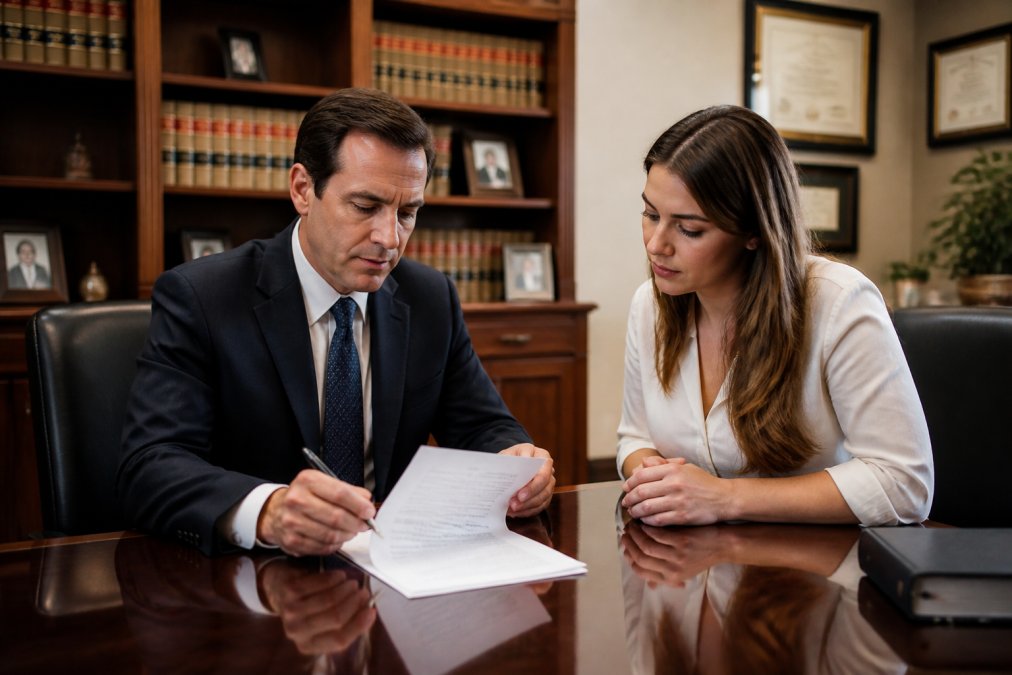
Here is how the basic structure works:
- You meet with the attorney for an initial consultation, usually at no charge.
- The attorney evaluates your personal injury claim and agrees to take it on a contingent basis.
- A written fee agreement is signed specifying the contingency percentage and how case expenses are handled.
- The attorney pursues your claim, through negotiation or litigation, at their own financial risk.
- If you win, the attorney's fee is deducted from the gross settlement or verdict. If you lose, you owe no attorney fees.
The arrangement aligns the lawyer's incentive directly with yours: maximum recovery. That is a fundamentally different dynamic than paying an hourly retainer fee regardless of outcome.
Personal Injury Lawyer Fee Structure: Attorney Fees vs. Case Expenses
The biggest source of client confusion, and anxiety, around contingency arrangements is the difference between attorney fees and case expenses. These are two separate categories, and conflating them leads to unpleasant surprises at settlement time.
Attorney Fees: The Contingency Percentage
The attorney fee is the contingency percentage applied to your recovery. This percentage is agreed upon before the work begins and is documented in your fee agreement. The percentage typically varies based on the stage at which the case resolves: a case that settles before litigation begins may carry a lower percentage than one that proceeds through trial.
This is the part most people focus on, and it is important. But it is only half the picture.
Case Expenses: The Disbursements You Still Owe
Case expenses, also called disbursements or litigation costs, are the out-of-pocket costs the attorney advances on your behalf to build and pursue your claim. These are distinct from attorney fees. Common disbursements include:
- Court filing fees
- Expert witness fees (medical experts, accident reconstruction specialists)
- Medical record retrieval costs
- Deposition and transcript costs
- Process server fees
- Investigative costs
Many contingency fee lawyers advance these costs, meaning they pay them out of pocket and then recover them from the settlement. Others require clients to fund expenses as they arise. Your fee agreement should specify which approach applies.
Gross Settlement vs. Net Recovery: Why the Difference Matters
This distinction changes your actual take-home amount significantly. Gross settlement is the total amount the defendant or insurer agrees to pay. Net recovery is what you receive after attorney fees and case expenses are deducted.
Here is a simplified example to illustrate the structure:
| Item | Amount |
|---|---|
| Gross Settlement | Agreed amount |
| Less: Attorney Fee (contingency %) | Deducted from gross |
| Less: Case Expenses (disbursements) | Deducted from remaining |
| Net Recovery to Client | What you actually receive |
Some fee agreements calculate the attorney's percentage on the gross settlement before expenses are deducted. Others calculate it on the net amount after expenses. The difference can be meaningful on a large settlement. Ask your attorney explicitly which method their agreement uses.
California Attorney Fee Regulations You Should Know
California has specific rules governing attorney fees in personal injury and related cases, and understanding them gives you a stronger foundation for any fee negotiation. The California Rules of Professional Conduct governing attorney fees establish that fees must be reasonable and that contingency fee agreements must be in writing, signed by both the attorney and client, and must state the method of determining the fee.
Sliding Scale Fees in Medical Malpractice Cases
Medical malpractice cases in California operate under a different fee structure than standard personal injury claims. The Medical Injury Compensation Reform Act sets a sliding scale that limits the contingency percentage attorneys can collect in medical malpractice cases. The scale reduces the percentage as the recovery amount increases, meaning attorneys collect a smaller share on larger verdicts and settlements in these cases.
This sliding scale was established to protect patients and was modified by Proposition 35, passed in 2022, which updated the specific percentages. For current figures, consult the California Legislative Information page on MICRA reform directly, as the thresholds and percentages are tied to specific statutory language.
If your injury claim involves medical negligence, confirm with your attorney that their fee agreement reflects the MICRA sliding scale rather than a flat contingency percentage.
Negotiating the Contingency Percentage
Most people do not realize the contingency percentage is negotiable. The percentage in a fee agreement is not a fixed industry tariff, it is a starting point. Several factors influence what is reasonable to negotiate:
- Strength of liability: Clear-cut fault cases carry less risk for the attorney and may support a lower percentage.
- Severity of damages: High-value claims with documented medical expenses and lost wages are more attractive cases.
- Stage of resolution: If the case is likely to settle quickly, a lower percentage may be appropriate.
- Attorney's caseload: Attorneys who are selective about cases they accept may be less flexible; those actively building a practice may be more open to negotiation.
Negotiating does not mean the attorney will take less seriously. It means you are engaged and informed, which is exactly the kind of client a good attorney wants.
What Happens If You Lose Your Personal Injury Case?
If your case does not result in a recovery, you owe no attorney fees under a true contingency arrangement. That is the defining promise of no-win, no-fee representation.
Case expenses are a different matter. Some fee agreements require the client to reimburse disbursements even if the case is lost. Others absorb those costs entirely if there is no recovery. This is a critical term to clarify before signing any fee agreement.
A common mistake is assuming "no fee if you lose" covers everything. Read the expenses clause of your agreement carefully. Ask: "If we go to trial and lose, am I responsible for any of the litigation costs?" Get the answer in writing.
The financial risk borne by the attorney is real, they invest time, staff resources, and out-of-pocket disbursements with no guarantee of return. That is why contingency fee lawyers are selective about the cases they take. If an attorney agrees to represent you, it is a signal they believe in the merits of your claim.
How Long Does a Personal Injury Lawsuit Take?
How long a personal injury lawsuit takes depends on the complexity of the case, the severity of injuries, and whether the matter resolves through settlement or goes to verdict. Most personal injury claims resolve without a trial, but the timeline still varies considerably.
General timeframes by stage:
- Investigation and demand phase: Weeks to several months, depending on how quickly medical treatment concludes and records are gathered.
- Pre-litigation negotiation: One to six months in straightforward cases; longer where liability is disputed.
- Filing and discovery: Once a lawsuit is filed, discovery alone can take six to eighteen months in complex cases.
- Trial: If the case does not settle, trial preparation and the trial itself add additional time.
- Post-trial: Appeals or judgment collection can extend the timeline further.
The statute of limitations for personal injury claims in California is generally two years from the date of injury, per California Code of Civil Procedure Section 335.1. Missing this deadline extinguishes your right to pursue compensation. If your claim involves a government entity, the notice deadline is significantly shorter, often six months.
Tax Implications of Your Injury Settlement
Many injury victims are surprised to learn that settlement proceeds are not automatically tax-free. The general rule under federal tax law is that compensatory damages received for physical injuries or physical sickness are excluded from gross income. This includes amounts for medical expenses, pain and suffering, and lost wages directly tied to a physical injury.
However, several categories of settlement proceeds can be taxable:
- Punitive damages: Generally taxable regardless of whether they arise from a physical injury case.
- Interest on a settlement: Taxable as ordinary income.
- Emotional distress damages not arising from physical injury: May be taxable depending on the origin of the claim.
- Lost wages in some contexts: The tax treatment can vary based on how the settlement agreement is structured.
The IRS guidance on the taxability of personal injury settlements addresses these distinctions in detail. Because the tax treatment of settlement proceeds depends heavily on how the settlement agreement is drafted and what the damages represent, consult a tax professional before finalizing any settlement. Your attorney should be aware of these issues and can coordinate with your accountant on structuring the agreement appropriately.
This is an area where most contingency fee guides say nothing, which is exactly why it catches clients off guard.
How to Choose the Right Contingency Fee Lawyer for Your Injury Claim
Choosing the right contingency fee lawyer for your injury claim is not just about finding someone willing to take your case on a no-win, no-fee basis. It is about finding an attorney who will fight through trial if the insurance company refuses to offer fair compensation.

Most personal injury cases settle. But the cases that settle for the most money are usually handled by attorneys the insurance company knows will take the case to trial if necessary. An attorney who rarely tries cases has less use at the negotiating table.
Here is a practical evaluation checklist:
- Does the attorney have trial experience in cases similar to yours, not just settlement experience?
- Is the fee agreement in writing, with expenses clearly defined?
- Does the attorney explain the gross vs. net recovery distinction before you sign?
- Will the attorney handling your case be the one who actually appears at trial, or will it be passed to a junior associate?
- Does the firm have the resources to advance litigation costs on complex cases?
- Can the attorney clearly articulate the strengths and weaknesses of your claim?
- Are they transparent about the realistic range of outcomes, not just the best-case scenario?
The Law Offices of Allen Farshi brings over 25 years of aggressive litigation and trial advocacy to personal injury and insurance bad faith cases. The firm's contingency-based model means no attorney fees unless damages are recovered, and the firm's focus on maximizing recovery means the first offer from an insurer is rarely the last word.
According to the American Bar Association's guidance on selecting personal injury attorneys, clients should specifically ask about trial experience and how frequently the attorney actually takes cases to verdict rather than settling every matter.
One question worth asking directly: "How many cases have you taken to trial in the last three years, and what were the outcomes?" An attorney who cannot answer that question specifically may be telling you something important.
Frequently Asked Questions
How do contingency fee agreements work for injury claims?
A contingency fee agreement means your attorney only gets paid if your case results in a settlement or court verdict in your favor. You sign a written fee agreement at the start that specifies the percentage your lawyer will receive from the gross or net recovery. No win means no attorney fees. However, you may still be responsible for case expenses like filing fees and expert witness costs depending on the terms of your agreement, so read the contract carefully before signing.
What percentage do personal injury lawyers typically charge in California?
Contingency percentages vary by case type and complexity. For general personal injury claims, fees commonly fall in a range that increases if the case goes to trial rather than settling early. California law caps contingency fees in medical malpractice cases under a sliding scale set by the Medical Injury Compensation Reform Act (MICRA). For non-malpractice injury cases, the percentage is negotiable and should be confirmed in your written fee agreement before representation begins.
Are there any upfront costs when hiring a contingency fee lawyer?
Reputable contingency fee lawyers do not charge upfront retainer fees for personal injury cases. However, your fee agreement should specify who advances case expenses, such as court costs, filing fees, deposition costs, and expert witness fees. Many firms front these costs and deduct them from your settlement. Others require reimbursement regardless of outcome. Clarify this distinction before signing, since case expenses can be significant in complex litigation.
What happens if I lose my personal injury case?
If your case does not result in a recovery, you owe no attorney fees under a contingency arrangement. That is the core financial protection this model provides. Whether you owe reimbursement for advanced case expenses depends on your specific fee agreement. Some agreements absorb those costs entirely if the case is lost; others require repayment. Review this clause carefully with your attorney before signing so there are no surprises if the outcome is unfavorable.
Does a contingency fee cover court costs and litigation expenses?
No. Attorney fees and case expenses are two separate things. Your contingency fee covers your lawyer's time and legal representation. Court costs, filing fees, expert witness fees, deposition transcripts, and investigator costs are case disbursements billed separately. These are often advanced by the firm and deducted from your settlement, but they come out of your share, not the attorney's fee. Understanding this split is essential to knowing your actual net recovery before agreeing to settle.
How long does a personal injury lawsuit typically take to resolve?
Resolution timelines depend on case complexity, injury severity, and whether the matter settles or goes to trial. Straightforward auto accident claims that settle without litigation can close in several months. Cases involving disputed liability, serious injuries, or insurance bad faith often take one to three years or longer if they proceed through discovery and trial. The statute of limitations for most personal injury claims in California is two years from the date of injury, so acting promptly preserves your options.
Are injury settlements taxable income?
Under federal tax law, compensation received for physical injuries or physical sickness is generally excluded from gross income under IRC Section 104. This means most personal injury settlements covering medical bills and pain and suffering are not taxable. However, punitive damages and compensation for emotional distress unrelated to a physical injury are typically taxable. Interest earned on a delayed settlement is also taxable. Consult a tax professional to confirm how your specific settlement is treated before filing.
Navigating a personal injury claim while managing medical bills, lost income, and insurance pressure is genuinely difficult. The Law Offices of Allen Farshi handles contingency-based personal injury and insurance bad faith cases across California, with over 25 years of trial experience dedicated to maximizing client recovery. No attorney fees unless damages are recovered. Contact the firm to discuss your claim and understand your options before the statute of limitations closes your case.