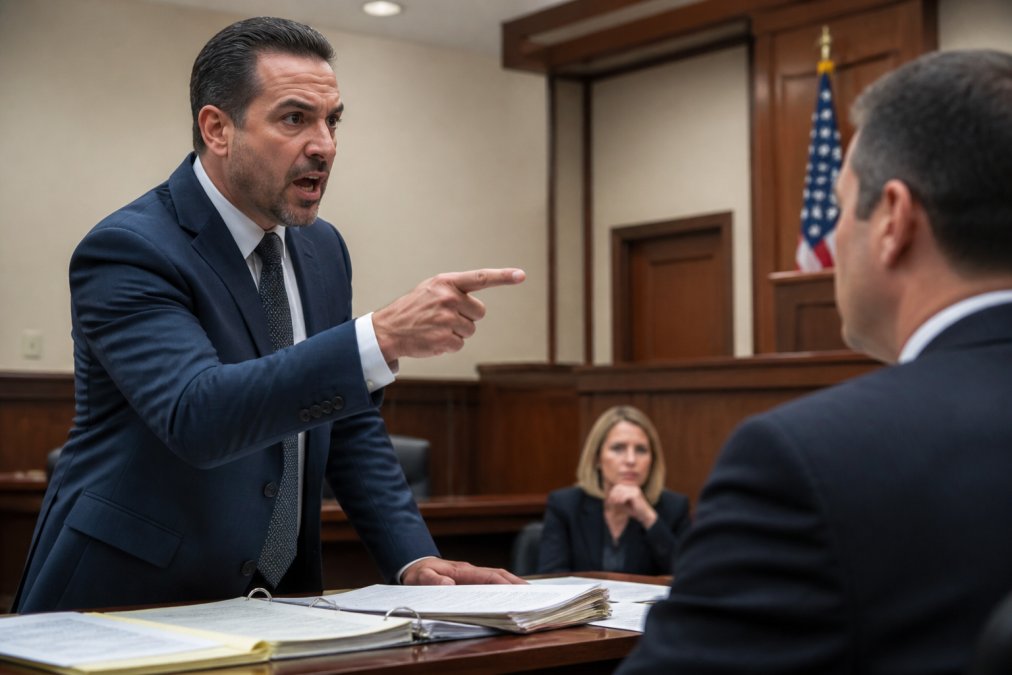
 How-to
How to Hire an Aggressive Trial Lawyer in California
Table of Contents
- What Defines an Aggressive Trial Lawyer in California
- Aggressive vs. Strategic: Why the Distinction Matters
- What to Look for in a Trial Attorney: 5 Key Checks
- How a Contingency Fee Lawyer in California Gets Paid
- How Long Does Litigation Take? A Realistic Timeline
- Red Flags to Avoid When Hiring Legal Counsel
- Your First Step: Preparing for the Case Evaluation
- Frequently Asked Questions
Last Updated: September 6, 2026
What Defines an Aggressive Trial Lawyer in California
Finding the right aggressive trial lawyer in California requires understanding what the label actually means. An aggressive trial lawyer prepares every case as if it will go to verdict, using assertive litigation tactics to pressure opposing counsel while protecting your rights. (Source: The State Bar of California's rules of professional conduct)
The Law Offices of Allen Farshi leverages over 25 years of experience. The distinction between a lawyer who talks aggressively and one who litigates aggressively often determines whether you receive fair compensation or a lowball offer.
Aggressive vs. Strategic: Why the Distinction Matters
The term "aggressive" gets thrown around loosely in legal marketing, yet the most effective trial lawyers combine assertiveness with careful strategy. A purely aggressive approach without preparation leads to costly mistakes and alienated judges.
The real difference shows up in how a lawyer handles the pre-trial phase versus the trial itself. During discovery, an aggressive trial lawyer files motions to compel, pushes back on evasive responses, and uses evidence suppression motions when appropriate. At trial, they cross-examine witnesses with precision and present your case with conviction.
Strategic aggression also shapes plea negotiations in criminal defense matters and settlement discussions in civil cases. When the other side knows your attorney will take the case to a jury, their calculus changes.
What to Look for in a Trial Attorney: 5 Key Checks
Evaluating a potential trial attorney requires more than reading reviews or checking bar standing. Use these five checks to assess whether a lawyer can genuinely fight for your case:
- Verify trial experience: Ask how many cases they have actually tried to verdict, not settled. A litigator who has never faced a jury lacks the instincts needed for effective courtroom representation.
- Examine case evaluation approach: A strong attorney identifies weaknesses in your case honestly and explains how they plan to address them through legal strategy.
- Assess communication responsiveness: During your legal consultation, note whether they answer questions directly or deflect with vague language.
- Review their investigation plan: Ask what evidence they will gather, which experts they might retain, and how they approach the discovery process.
- Check their negotiation track record: In plea negotiations or settlement talks, does the attorney demonstrate willingness to push back against unreasonable offers?
The State Bar of California maintains disciplinary records and verification tools to confirm an attorney's standing and check for past complaints.
The Missing Check: Pre-Trial vs. Trial Intensity
Most checklists stop at trial experience, but the most important distinction is where an attorney's aggression actually shows up. A trial is the final act; the case is won or lost in the months before, during discovery and motion practice. An aggressive trial lawyer does the following long before jury selection:
- Files motions to compel when the opposing side stalls on producing documents or answering interrogatories. In California Superior Court, a motion to compel can force compliance and often results in sanctions against the non-compliant party.
- Uses motions in limine to exclude damaging evidence before the jury ever hears it. A lawyer who wins these pre-trial battles shapes the trial narrative before opening statements.
- Deposes witnesses aggressively, not with hostility, but with precision that locks in testimony and exposes contradictions. The goal is to build a record that pressures the other side to settle on your terms.
- Moves for summary judgment in civil cases when the facts are in your favor, potentially ending the case without a trial, but only if the lawyer has the skill to argue the motion effectively.
Ask a prospective lawyer: "What did you do in the last six months, before trial, that made the difference in your cases?" A settlement-chasing negotiator will describe phone calls and demand letters. A true litigator will describe discovery battles, evidentiary hearings, and expert witness preparation.
The Cross-Examination Test
Cross-examination is where aggressive advocacy becomes visible. The most effective trial lawyers do not shout or badger; they ask short, leading questions that control the witness and expose bias or inconsistency. Ask a lawyer to describe a recent cross-examination, the goal and how they structured the questions.
The Reputation Check That Matters
Beyond the State Bar, ask opposing counsel about the lawyer's reputation. In California's legal community, trial lawyers know who actually tries cases and who folds under pressure. Ask the lawyer directly: "How do opposing counsel describe your approach?" The answer reveals whether they are seen as a paper tiger or a genuine courtroom threat.
A Sixth Check: The Fee Structure as a Signal
How a lawyer proposes to charge you is itself a test of trial readiness. Ask for a written fee agreement that spells out what happens if the case goes to trial, and if the other side makes a lowball offer.
How a Contingency Fee Lawyer in California Gets Paid
Many clients searching for a contingency fee lawyer in California worry about upfront costs, especially when medical bills are piling up. Under a contingency arrangement, you pay no attorney fees unless your lawyer recovers damages on your behalf.
This structure aligns incentives. A contingency fee lawyer fights for maximum recovery because their compensation depends on it. At the Law Offices of Allen Farshi, we offer contingency-based representation for injury and insurance cases, making aggressive legal representation accessible to individuals who could not otherwise afford experienced trial lawyers.
But the financial picture is more nuanced than a simple percentage. Here is what you need to ask before signing a retainer agreement:
The Standard Percentage and Its Variations
In California personal injury cases, the most common contingency fee is 33.3% of the recovery if the case settles before a lawsuit is filed. That percentage typically rises to 40% if the case proceeds to trial or an appeal is required. These are not set by statute; they are negotiated between you and your attorney. Some firms charge a sliding scale, lower percentages for early settlements, higher ones for post-verdict recoveries, to reflect the increased work and risk.
What Is, and Is Not, Included in the Fee
The contingency percentage covers the attorney's time and overhead. It does not automatically cover "costs", the out-of-pocket expenses of litigation. These can include: (Source: The American Bar Association's standards for trial advocacy)
- Court filing fees
- Expert witness fees
- Deposition court reporters and transcripts
- Investigation costs, including accident reconstruction
- Medical record retrieval fees
A transparent firm will explain how these costs are deducted from your recovery. Ask directly: "Are costs taken off the top before or after your fee is calculated?"
The "No Recovery, No Fee" Promise Has Limits
Most contingency agreements state that if you recover nothing, you owe no attorney fee. But you may still owe for costs advanced by the firm. Some firms waive costs entirely if the case is lost; others will seek reimbursement from you. In California, fee agreements must be in writing and must clearly state how costs are handled (leginfo.legislature.ca.gov). If a lawyer is vague on this point, that is a red flag.
Why This Matters for Aggressive Representation
A lawyer working on contingency has a financial incentive to settle quickly and cheaply. An aggressive trial lawyer, by contrast, structures the agreement so the economics do not push them toward a weak settlement. Ask a prospective lawyer: "How does your fee structure affect your willingness to reject a lowball offer and take my case to verdict?"
Flat Fees vs. Hourly Rates for Trial Work
Not all aggressive trial work is contingency-based. For criminal defense or commercial disputes, lawyers may charge an hourly rate (commonly $300-$800 per hour in California) or a flat fee for a defined scope of work. A flat fee for a trial is rare because trials are unpredictable in length. Ask for a written estimate of the total hours a trial is likely to take and a cap on how much the fee can increase without your written consent.
Understanding these mechanics lets you compare lawyers on real numbers, not marketing language. The goal is to find a fee structure that removes the financial pressure to settle early.
How Long Does Litigation Take? A Realistic Timeline
Understanding how long does litigation take helps you prepare mentally and financially. Most civil cases resolve within 12 to 24 months, though complex matters can extend beyond that (courts.ca.gov). The timeline depends on the court's calendar, the complexity of your claims, and whether the case settles or proceeds to trial.
A typical personal injury case follows this pattern:
- Investigation and demand phase: 2 to 6 months
- Filing and discovery: 6 to 12 months
- Pre-trial motions and settlement conferences: 3 to 6 months
- Trial: 1 to 3 weeks, if the case does not settle
Cases involving insurance bad faith or commercial real estate disputes often take longer due to voluminous documentation and technical expert testimony.
Litigation rewards patience. An aggressive trial lawyer uses the pre-trial phase strategically, building pressure that often leads to better settlement offers before trial begins.
Red Flags to Avoid When Hiring Legal Counsel
Several warning signs should prompt you to keep searching. A lawyer who guarantees specific outcomes signals inexperience, since ethical rules prohibit promising results.
Watch for these additional red flags:
- Vague fee explanations: If a lawyer cannot clearly explain their billing structure, expect surprises later
- Poor communication habits: Missed calls or delayed responses during the hiring process predict worse behavior during litigation
- Settlement pressure: An aggressive trial lawyer fights for maximum recovery rather than pushing you to accept the first offer
- No trial preparation discussion: If the conversation focuses only on settlement, you are speaking with a negotiator, not a litigator
The attorney-client relationship depends on trust. During your initial case evaluation, you should feel that the lawyer listens, asks probing questions, and demonstrates genuine understanding of your situation.
Your First Step: Preparing for the Case Evaluation
Before meeting with a potential trial lawyer, gather the documents that will make your case evaluation productive. For personal injury matters, collect medical records, accident reports, photographs, insurance correspondence, and evidence of lost wages. For business disputes, assemble contracts, emails, and financial records.
A focused case evaluation allows the attorney to assess the strength of your claim and outline potential legal strategies. Come prepared with questions about trial experience, fee structures, and realistic timelines.
The Law Offices of Allen Farshi leverages over 25 years of experience. The firm handles serious injury claims, insurance bad faith disputes, and complex real estate matters with a commitment to aggressive courtroom advocacy.
Taking time to evaluate candidates, understanding fee structures, and choosing an attorney who demonstrates both strategic thinking and trial readiness puts you in the strongest position.
Choosing the right aggressive trial lawyer in California means looking past marketing language to examine actual trial experience, fee transparency, and strategic approach. The Law Offices of Allen Farshi combines over 25 years of litigation experience with contingency-based representation for injury and insurance cases, ensuring you pay no attorney fees unless damages are recovered. Our team also provides flat-rate commercial lease negotiations and homeowner-focused HOA representation across California. Get started with Law Offices of Allen Farshi and put an experienced trial lawyer in your corner.
Frequently Asked Questions
What defines an aggressive trial lawyer in civil litigation?
An aggressive trial lawyer prepares every case as if it will go to trial. Rather than just negotiating from a demand letter, they build a case through discovery, evidence suppression, and witness preparation. This approach signals to opposing counsel that you will not accept a low offer. True aggression means pushing for maximum recovery through litigation, not just using tough language in settlement talks.
How do contingency fee agreements work for trial lawyers?
A contingency fee lawyer in California gets paid only if you win or settle your case. Instead of an hourly bill, the attorney takes an agreed percentage of the recovery. This arrangement means no attorney fees unless damages are recovered, which lets you pursue litigation without upfront costs. Ask about how costs for experts and court filings are handled, since those are often separate from the fee.
How long does civil litigation typically take in the court system?
Most civil litigation takes 12 to 24 months from filing to trial, though some cases resolve in 6 months and complex ones take longer. The timeline depends on the discovery process, motion practice, and court congestion. A strategic attorney may file motions to resolve the case early or push for a faster trial date. Ask your lawyer for a realistic timeline based on your specific claims.
What questions should I ask before hiring a trial attorney?
Ask about their trial experience, not just their settlement record. Request specific examples of cases they have taken to verdict. Ask who will actually handle your case, since some firms assign work to junior associates. Clarify how they handle plea negotiations or settlement offers, and ask about their fee structure in writing. Finally, ask how they will communicate with you during the case.