 ultimate-guide
Hire a Contingency Lawyer for Auto Accidents
Table of Contents
- What Is a Contingency Fee Arrangement?
- How Contingency Fees Work for Auto Accident Claims
- Typical Contingency Fee Percentages and Sliding Scales
- California Personal Injury Statute of Limitations
- How Long Does a Car Accident Settlement Take?
- What to Look for in a Personal Injury Lawyer
- What Happens If You Lose Your Case?
- Frequently Asked Questions
Last Updated: August 31, 2026
What Is a Contingency Fee Arrangement?
A contingency fee arrangement is a legal payment structure where your attorney only collects a fee if they win your case or secure a settlement on your behalf. You pay nothing upfront, and the lawyer's compensation comes directly from the recovery they obtain. This model removes a critical barrier: cost. Without it, most accident victims couldn't afford experienced trial lawyers. With it, you get access to the same legal firepower that large corporations use, with no financial risk if the case doesn't succeed.
The contingency fee model exists because personal injury litigation requires significant investment in investigation, expert witnesses, court filings, and trial preparation. An attorney working on contingency absorbs all that financial risk themselves. If they lose, they receive nothing for months or years of work. This alignment of interests means your lawyer has every incentive to maximize your recovery, not just close the file quickly.
At the Law Offices of Allen Farshi, we work exclusively on contingency for personal injury and insurance cases, meaning you never pay attorney fees unless we recover damages for you. Our aggressive litigation approach and over 25 years of experience ensure that your case receives the same level of trial preparation and advocacy whether it settles or goes to court.
How Contingency Fees Work for Auto Accident Claims
When you hire a contingency lawyer for an auto accident, the fee structure is outlined in a written contingency fee agreement that spells out exactly what percentage of your recovery goes to the attorney. Your attorney investigates your claim, gathers evidence, negotiates with insurance companies, and prepares for trial if necessary. Throughout this process, they cover all case expenses from their own pocket. If you win a settlement or verdict, the attorney's fee is calculated as a percentage of your gross recovery, with the remaining balance going to you after case expenses are deducted.

The critical detail most accident victims miss is the distinction between attorney fees and case expenses. These are two separate line items, and understanding the difference protects you from surprises at settlement.
Attorney Fees vs. Case Expenses
Your attorney's contingency fee and your case expenses are not the same thing, and they're deducted differently from your recovery.
Attorney fees are what the lawyer charges for their work: investigation, negotiation, court appearances, trial preparation, and legal strategy. This is the contingency percentage spelled out in your fee agreement. If your attorney agrees to take 33% and you recover $100,000, the attorney fee is $33,000.
Case expenses are the out-of-pocket costs required to litigate your claim. These include court filing fees, medical record requests, accident scene photography, expert witness fees (medical doctors, accident reconstructionists, vocational rehabilitation specialists), deposition transcripts, and trial preparation costs. Your attorney advances these expenses and recovers them from your settlement or verdict.
Here's the practical impact: If your case generates $50,000 in case expenses and you recover $100,000 total, your attorney takes their contingency percentage from the gross recovery (say, $33,000), and you reimburse the $50,000 in case expenses. Your net recovery is $17,000 ($100,000 minus $33,000 fee minus $50,000 expenses).
The Law Offices of Allen Farshi discloses anticipated case expenses. Our aggressive litigation approach means we invest in expert testimony and trial preparation.
Typical Contingency Fee Percentages and Sliding Scales
Contingency fee percentages are not set by law; they're negotiated between you and your attorney. However, industry practice and state bar association guidelines establish common ranges that most personal injury lawyers follow.
A typical contingency fee for auto accident claims ranges from 25% to 40% of your gross recovery (abanet.org). Many attorneys use a sliding scale, where the percentage increases if your case goes to trial instead of settling before trial.
A common sliding scale structure looks like this:
| Stage of Resolution | Typical Contingency Percentage |
|---|---|
| Settlement before litigation filed | 25-30% |
| Settlement after litigation filed | 33% |
| Settlement after trial begins | 35-40% |
| Verdict after trial concludes | 40% |
The reasoning behind sliding scales is straightforward: settling a case requires less work and expense than taking it to trial. Trial preparation demands extensive expert coordination, witness preparation, courtroom strategy, and attorney time. A lawyer who invests six months in trial preparation deserves a higher percentage than one who negotiates a settlement in three months.
Some attorneys charge a flat contingency percentage regardless of when the case resolves. The key is that your fee agreement must be in writing and comply with state bar rules, which require that contingency fees be "reasonable" under the circumstances.
At the Law Offices of Allen Farshi, we discuss contingency percentages transparently. Our commitment to aggressive trial advocacy means we prepare every case as if it's going to trial, which maximizes your value in settlement negotiations.
California Personal Injury Statute of Limitations
California law imposes strict deadlines for filing personal injury lawsuits. For auto accident injury claims in California, the statute of limitations is two years from the date of the accident (leginfo.legislature.ca.gov). If you don't file within that window, the court will dismiss your case and you lose all legal remedies.
This deadline applies to personal injury claims (bodily injury to yourself or passengers). Property damage claims have a separate four-year deadline, but the two-year personal injury deadline is what matters for accident injury recovery.
The two-year clock starts on the date of the accident, not when you discover your injuries. This is why prompt legal consultation matters: even if your injuries develop gradually or you're uncertain about their severity, consulting an attorney early ensures your case is filed before the deadline expires.
California law does recognize limited exceptions to the statute of limitations. For example, if you're a minor at the time of the accident, the deadline may be extended until after you reach age 18. However, these exceptions are narrow and require specific circumstances. whiplash pain relief.
The Law Offices of Allen Farshi manages statute of limitations carefully for every client. We file lawsuits well before the deadline expires to preserve your rights, even if we're still negotiating with the insurance company. Filing a lawsuit doesn't mean your case can't settle; it simply ensures that if settlement negotiations stall, you have the legal right to proceed to trial.
How Long Does a Car Accident Settlement Take?
The timeline for resolving an auto accident claim varies significantly based on injury severity, liability complexity, and whether the case settles or goes to trial. A straightforward auto accident with clear liability and moderate injuries typically resolves within 6 to 12 months. Complex cases involving serious injuries, multiple vehicles, disputed liability, or insurance coverage issues can take 18 to 36 months or longer.
Serious injury claims require waiting for medical treatment to reach maximum medical improvement (MMI), which is the point where your condition stabilizes and further improvement is unlikely (peer-reviewed research). Your attorney can't accurately value your claim until you've reached MMI, because ongoing treatment and future medical needs affect your total recovery.
Here's the realistic timeline breakdown:
Initial investigation phase (1-2 months): Your attorney gathers police reports, medical records, insurance information, and witness statements.
Medical treatment phase (3-12 months): You continue treating for your injuries. Your attorney doesn't typically make a settlement demand until your medical treatment is substantially complete.
Demand and negotiation phase (1-6 months): Your attorney sends a detailed demand letter to the insurance company, outlining liability, injuries, damages, and requested compensation. Negotiation continues until settlement is reached or the case is filed for trial.
Litigation and trial preparation (6-24 months): If settlement negotiations stall, your attorney files a lawsuit. Discovery, expert witness coordination, and trial preparation follow.
The Law Offices of Allen Farshi manages these timelines aggressively, pushing for early resolution while maintaining trial readiness to maximize your value in negotiations.
What to Look for in a Personal Injury Lawyer
Choosing the right attorney for your auto accident claim is one of the most important decisions you'll make. Your lawyer's experience, trial record, and approach to case handling directly impact your recovery.
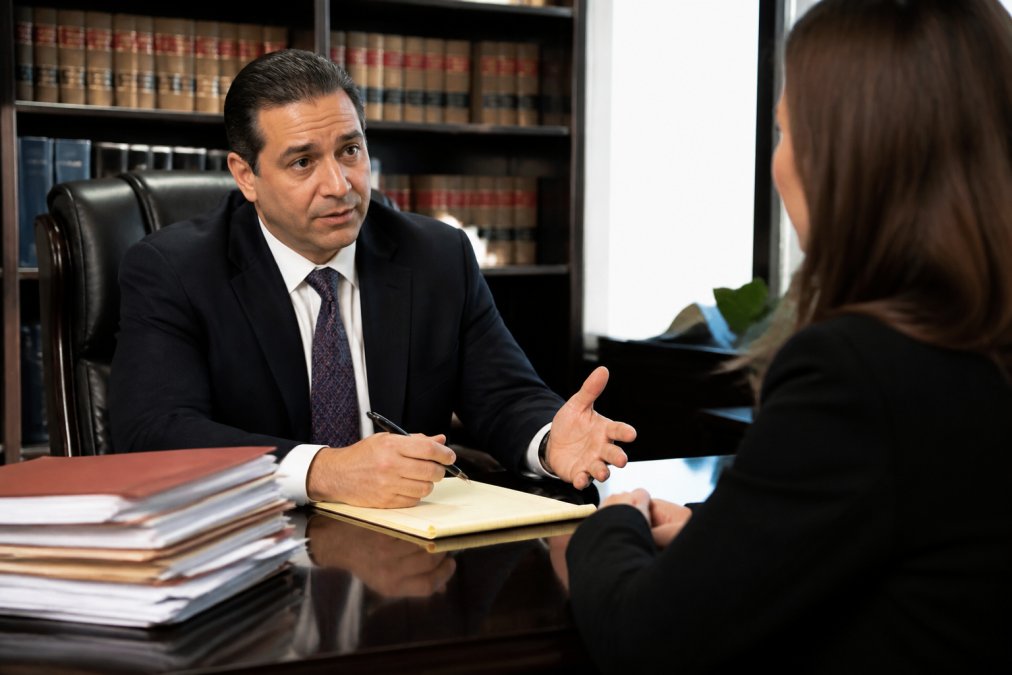
The most critical qualification is trial experience. Many attorneys handle personal injury cases but rarely take them to trial. Insurance companies know which lawyers will fight at trial and which ones will pressure clients to settle to avoid courtroom risk. Attorneys with genuine trial experience command higher settlement offers because insurers understand they'll face a prepared opponent in court if needed.
Ask about your attorney's trial record: How many cases have they taken to jury trial? What are their verdicts? Do they prepare cases as if trial is certain? The Law Offices of Allen Farshi has over 25 years of aggressive litigation experience, meaning we prepare every case for trial and maintain that readiness throughout settlement negotiations.
Look for an attorney who specializes in personal injury and accident litigation, not one who handles a broad mix of practice areas. Specialization matters because auto accident law involves specific knowledge of insurance coverage, liability rules, injury valuation, and negotiation tactics.
Transparency about fees and expenses is non-negotiable. Your attorney should explain your contingency percentage, discuss anticipated case expenses, and provide a written fee agreement before you hire them.
Finally, assess whether you trust your attorney's judgment. You need confidence that they're giving you honest advice based on your best interests, not just closing files quickly.
What Happens If You Lose Your Case?
If your case goes to trial and the jury rules against you, or if your case is dismissed before trial due to insufficient evidence, you owe your attorney nothing. Zero. No attorney fees, no case expenses. Your attorney absorbs the entire loss.
However, there's an important distinction. While you don't owe attorney fees if you lose, you may still owe case expenses if your fee agreement requires it. Some attorneys absorb case expenses as part of the contingency risk. Others structure their agreements so that case expenses are reimbursed regardless of case outcome.
This is why reading your fee agreement carefully before signing is essential. Ask explicitly: "If we lose the case, do I owe any money?" The answer should be clear and in writing.
In settlement negotiations, losing is unlikely if your attorney has properly evaluated your claim. A competent personal injury lawyer won't advise you to reject a settlement offer if losing at trial is a realistic possibility.
At the Law Offices of Allen Farshi, we're selective about which cases we accept. We evaluate liability, injury severity, and damages potential before committing resources. This means we only take cases where we believe we can secure meaningful recovery for our clients. Our aggressive litigation approach and trial experience reduce the risk that a case will be lost, because we prepare thoroughly and insurers know we'll fight at trial if necessary.
Hiring a contingency lawyer for an auto accident removes the financial barrier to legal representation. You get access to experienced trial lawyers who share your financial risk and have every incentive to maximize your recovery. The Law Offices of Allen Farshi combines over 25 years of aggressive litigation experience with contingency representation, meaning you pay nothing unless we win. Our trial-ready approach and dedicated advocacy ensure that your case receives the preparation and attention it deserves. Contact the Law Offices of Allen Farshi today to discuss your accident claim and learn how we can help you recover the compensation you're entitled to.
Frequently Asked Questions
How does a no-win-no-fee arrangement work for auto accident cases?
Under a no-win-no-fee (contingency) agreement, your attorney advances the costs of your personal injury claim and receives payment only if you recover damages through settlement or trial verdict. You pay nothing upfront, and the lawyer's fee comes from your settlement or award. If you lose, you owe no attorney fees, though you may still be responsible for certain case expenses depending on your agreement.
What are typical contingency fee percentages for auto accident claims?
Contingency fee percentages vary but commonly range from 25% to 40% of your recovery. Many attorneys use a sliding scale: a lower percentage if the case settles early, and a higher percentage if it goes to trial. The exact percentage depends on case complexity, the likelihood of recovery, and your attorney's experience. Always review your contingency fee agreement carefully before signing.
What is the California personal injury statute of limitations for auto accidents?
In California, you have two years from the date of the auto accident to file a personal injury lawsuit. Missing this deadline can bar you from pursuing legal action entirely. This timeline is set by California Code of Civil Procedure Section 335.1. If you've been injured, consulting with an attorney early ensures your claim is filed within the required window.
Are there upfront costs when hiring a contingency lawyer for an auto accident?
With a true contingency arrangement, you pay no upfront attorney fees. However, your agreement should clarify which case expenses you're responsible for, such as court filing fees, expert witness costs, medical records requests, and investigation expenses. Some attorneys advance these costs and deduct them from your recovery; others may require you to pay them separately. Always ask for a written breakdown before proceeding.