 how-to
What to Do After a Car Accident: 7 Critical Steps
Table of Contents
- Step 1: Prioritize Safety and Stay Calm
- Step 2: Check for Injuries and Call Emergency Services
- Step 3: Move Vehicles and Document the Scene
- Step 4: Exchange Information After a Car Accident
- Step 5: Create a Car Accident Checklist for Evidence
- Step 6: What to Tell Insurance After a Car Accident
- Step 7: When to See a Doctor After a Car Accident
- Protecting Your Rights After a Collision
- Frequently Asked Questions
Last Updated: October 20, 2026
Step 1: Prioritize Safety and Stay Calm
The first moments after a car accident are critical, and knowing what to do after car accident can make all the difference.
If you're in a moving lane of traffic, turn on your hazard lights right away. Move to a safe location if possible.
Check yourself and your passengers for obvious injuries. Look around for imminent danger. Is there a fire? Leaking fuel?
Stay inside your vehicle if you're on a busy highway and it's unsafe to exit. Wait for emergency services to arrive.
Step 2: Check for Injuries and Call Emergency Services
Once you're in a safe location, check all passengers for injuries.
Call 911 immediately if anyone has injuries. Do not wait. Even minor injuries can become serious.
If no one appears injured, you still have options. You can call the police non-emergency line to report the collision.
Stay on the line with 911 or the dispatcher until they tell you to hang up. Follow their instructions.
Step 3: Move Vehicles and Document the Scene
Once emergency services confirm it's safe, move vehicles out of active traffic if possible. This prevents additional collisions and keeps the roadway clear.
Turn off all engines. Leave hazard lights on.
Now document everything. Use your phone to take photos and videos of:
- All vehicle damage from multiple angles
- The accident scene and road conditions
- Traffic signs and signals nearby
- Skid marks or debris
Take wide shots and close-ups. Get photos before anyone moves anything. Capture the overall scene context.
Photograph the roadway itself. Was it wet? Were there potholes? These details matter for your claim.
Step 4: Exchange Information After a Car Accident
Get information from the other driver. Stay calm and professional.
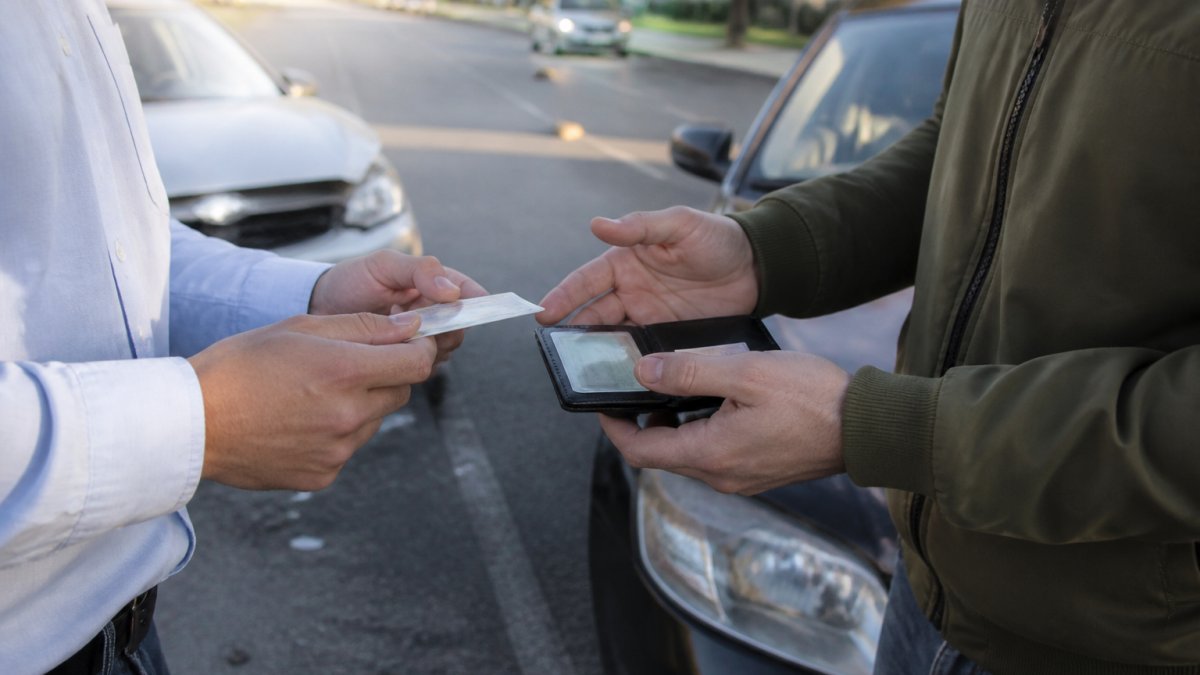
Ask for and record:
- Full name and phone number
- Driver's license number and state
- Vehicle make, model, year, and color
- License plate number
Write this down. Use your phone's notes app if you don't have paper.
Also note the other driver's address. Ask where they work if they're willing to share.
If there are multiple vehicles involved, repeat this process with each driver. Get information from all parties.
Do not discuss the accident details with other drivers.
Step 5: Create a Car Accident Checklist for Evidence
A car accident checklist helps you gather everything you need. Use this framework to stay organized at the scene:
| Item | Why It Matters | How to Collect |
|---|---|---|
| Driver information | Identifies the other party | Ask and write down name, phone, license number |
| Insurance details | Needed for your claim | Record company name and policy number |
| Vehicle details | Describes what was hit | Get VIN, make, model, year, plate number |
| Scene photos | Shows damage and conditions | Take multiple angles of all vehicles and roadway |
| Witness names | Supports your account | Get contact info from anyone who saw it |
| Police report number | Official record of the accident | Ask the officer for the report number |
| Road conditions | Explains how it happened | Note weather, lighting, road surface |
| Traffic signals | Shows who had right of way | Photo or note what signals were present |
Collect witness contact information if anyone saw the accident. Ask for their name, phone number, and email. Ask what they saw. Write it down or record it on your phone (if legal in your state).
Call Now for a free consultation →
If police arrive, get the officer's name, badge number, and the police report number. Ask when the report will be available.
Step 6: What to Tell Insurance After a Car Accident
Understanding what to do after car accident means contacting your insurance company as soon as possible.
Call the phone number on the back of your insurance card. Have your policy number ready. Tell them:
- Date and time of the accident
- Location (street address or intersection)
- How the accident happened (brief, factual description)
- Whether anyone was injured
Do not speculate or guess. Stick to what you know.
Provide the other driver's information. Share the photos you took.
Be honest but careful with your words. Insurance adjusters listen closely.
Do not accept blame for the accident during this call. That's not your job.
Document everything. Keep records of all phone calls, emails, and documents.
Step 7: When to See a Doctor After a Car Accident
Some injuries appear immediately. Others develop over hours or days. The practical rule most practitioners recommend is to get evaluated promptly, ideally within 24 to 72 hours, even if you feel fine, because a same-week exam creates a medical record that ties your symptoms to the crash. Waiting weeks makes it easier for an insurer to argue that something else caused the pain.
Symptoms that commonly appear later
- Neck and back pain, stiffness, or reduced range of motion (often labeled whiplash)
- Headaches that worsen over the first few days
- Muscle soreness or spasms
- Numbness, tingling, or weakness in arms or legs
- Dizziness, nausea, or difficulty concentrating
These symptoms can start hours or days after the accident. Seek care sooner rather than later if any of them appear, and go to an emergency department immediately for severe headache, confusion, vision changes, chest pain, difficulty breathing, or weakness on one side of the body. Prioritizing your physical health remains the primary concern, but you must also manage the logistical aftermath by reviewing the necessary towing and accident steps.
What to tell the provider
Be specific and thorough. Tell the doctor you were in a motor vehicle collision, the date and time, the direction of impact, whether you were the driver or passenger, and whether you hit your head or lost consciousness. Describe every symptom, even minor discomfort, and where it hurts. Mention symptoms that started after the crash, not just those present at the scene.
Documentation that supports a claim
- Request copies of all medical records, imaging reports (X-ray, MRI, CT), and discharge instructions.
- Keep receipts and explanation-of-benefits statements for every visit, prescription, and therapy session.
- Track travel costs to appointments (mileage, parking, rideshare receipts), these can be part of a damages claim.
- Keep a simple symptom journal: date, pain level, what you could and could not do that day, and any missed work.
- Follow the treatment plan and attend scheduled appointments. Insurers scrutinize gaps in treatment; consistent care is the clearest evidence that the injuries are real and ongoing.
If your symptoms persist or worsen, ask for a referral to a specialist and keep every referral and consultation note in your claim file. The medical record you build in the first weeks is the foundation for any later claim or dispute.
Protecting Your Rights After a Collision
Protecting your rights after a collision is less about what you say in the moment and more about the paper trail you build in the days that follow. The steps below go beyond the standard advice and cover the jurisdiction-specific rules, special situations, and digital-evidence practices that most guides skip.
Know your state's reporting rules and deadlines
Police-report requirements, reporting thresholds, and deadlines vary by state. Some states require you to file a report within a set number of days when damage exceeds a dollar threshold or when anyone is injured; others require a report only when the responding officer chooses to file one. Missing a state filing deadline can create administrative penalties and can complicate an insurance claim even when fault is clear.
Handle special situations deliberately
- Hit-and-run: Record the other vehicle's description, plate (even partial), direction of travel, and any dashcam or bystander footage before leaving the scene. Report the hit-and-run to police promptly; many insurers require a police report to process an uninsured-motorist or collision claim arising from a hit-and-run.
- Rental or company vehicles: Identify the registered owner and the insurer on the rental agreement or company fleet card. Notify the rental company or employer's fleet manager in addition to your own insurer. Keep the rental agreement, the damage inspection form, and all correspondence.
- Severe weather: Note the weather and road conditions in your written record and photos. Weather-related crashes often turn on whether the other driver was driving too fast for conditions, so contemporaneous notes matter.
- Children and pets involved: Note whether child safety seats or pet restraints were in use and whether they were damaged. Replacing a damaged car seat is often covered, but you need photos and receipts. For pets, keep veterinary records and receipts; pet injury claims are handled differently from human injury claims.
Preserve digital evidence and protect your privacy
Dashcam and phone footage can disappear if the device overwrites it. Export the relevant clip to a separate device or cloud folder the same day, and note the timestamp. Do not post crash photos, location tags, or commentary on social media; insurers and opposing parties monitor public accounts, and a casual post can be used to dispute your account or your injuries.
Build a claim-tracking file
Keep one folder, digital or physical, with the police report number, the other driver's information, all photos and video, witness contacts, medical records and receipts, repair estimates, and a log of every call and email with your insurer (date, time, representative name, and what was discussed). This file is what lets you spot delays, respond to requests quickly, and support an appeal if a claim is denied or undervalued.
Frequently Asked Questions
What is the first thing you should do after a car accident?
First, assess your safety and the safety of passengers. Turn on hazard lights, move to a safe location away from traffic if possible, and check for injuries. If anyone is injured or there is significant damage, call 911 immediately. Stay calm and avoid confrontation with the other driver. Your immediate priority is preventing further harm and ensuring emergency services are contacted if needed.
What information should I collect at the scene using a car accident checklist?
Document the other driver's name, phone number, address, driver's license number, vehicle make and model, license plate, and insurance company details. Take photographs of vehicle damage, the accident scene, road conditions, traffic signs, and the overall area. Collect names and contact information from witnesses. Record the date, time, location, and weather conditions. This checklist protects you during the insurance claim process and provides evidence of what occurred.
What should I tell my insurance company after a car accident?
Notify your insurance company promptly and provide factual information about the accident: date, time, location, and what happened. Stick to the facts without admitting fault or speculating about causes. Provide the other driver's information and any witness details. Avoid making statements that could be used against you later. Let your insurance adjuster investigate. If you have serious injuries, consider consulting with legal counsel before giving detailed statements to the other party's insurance company.
When should I see a doctor after a car accident?
Seek medical attention immediately if you experience pain, visible injuries, or difficulty moving. Even if you feel fine, some injuries like whiplash or internal injuries may develop over hours or days. Visit an emergency room or urgent care facility for evaluation. Document all medical visits and treatment. Getting prompt medical evaluation creates an important record of your injuries and establishes a timeline. This documentation is critical if you later pursue an insurance claim or legal action for damages.
A car accident disrupts your life. Medical bills pile up. Your vehicle needs repairs. Insurance processes feel overwhelming. The Law Offices of Allen Farshi has helped clients in this exact situation recover the compensation they deserve. Our aggressive approach to litigation and trial advocacy means we fight hard for maximum recovery. We handle the legal complexity so you can focus on healing. Call now for a free consultation and learn how we can help you get the settlement you're entitled to.