 How-to
7 Steps After a Civil Court Verdict: What Happens Next
Last Updated: November 5, 2026
Quick Summary
After a civil court verdict is read, the winning side must have a judgment entered, which is the formal court order that makes the verdict enforceable. The losing party may then file post-trial motions or an appeal, and collecting any money awarded may require enforcement steps such as wage garnishment or a bank levy.
- A verdict decides the outcome, but a judgment entered by the court is what makes it enforceable.
- Post-trial motion deadlines generally run from the date the judgment is entered, not the date the verdict is read.
- An appeal reviews legal errors and does not involve a second trial or new witnesses.
- Enforcement tools include asset discovery, judgment liens, wage garnishment, bank levies and settlement.
- Enforcement costs such as filing fees and service charges can add up, so request a written estimate from your attorney first.
Table of Contents
- The Verdict Announcement and What It Actually Means
- Understanding the Judgment: From Verdict to Enforceable Order
- Post-Trial Motions and Deadlines You Cannot Miss
- Appealing a Civil Court Verdict: The Appeals Process
- How to Collect a Civil Judgment When the Other Side Won't Pay
- Practical Enforcement Logistics and the Financial Reality
- Civil Lawsuit Timeline: Where Your Case Goes After the Verdict
- Next Step: Speak With a Trial Attorney About Your Verdict
- Frequently Asked Questions
If a civil court verdict has just been handed down, the outcome is not always the end of the case. Winning or losing at trial starts a series of steps, each with its own deadlines and rules. Knowing what comes next helps you protect what you won.
A verdict is the jury's (or judge's) decision on the questions in the case. It is not yet a court order you can enforce, and the losing side may have options to challenge it.
The Verdict Announcement and What It Actually Means
The verdict is read in open court, and the clerk records it. Many people assume that a verdict finishes everything, but in practice it is the first of several formal steps.
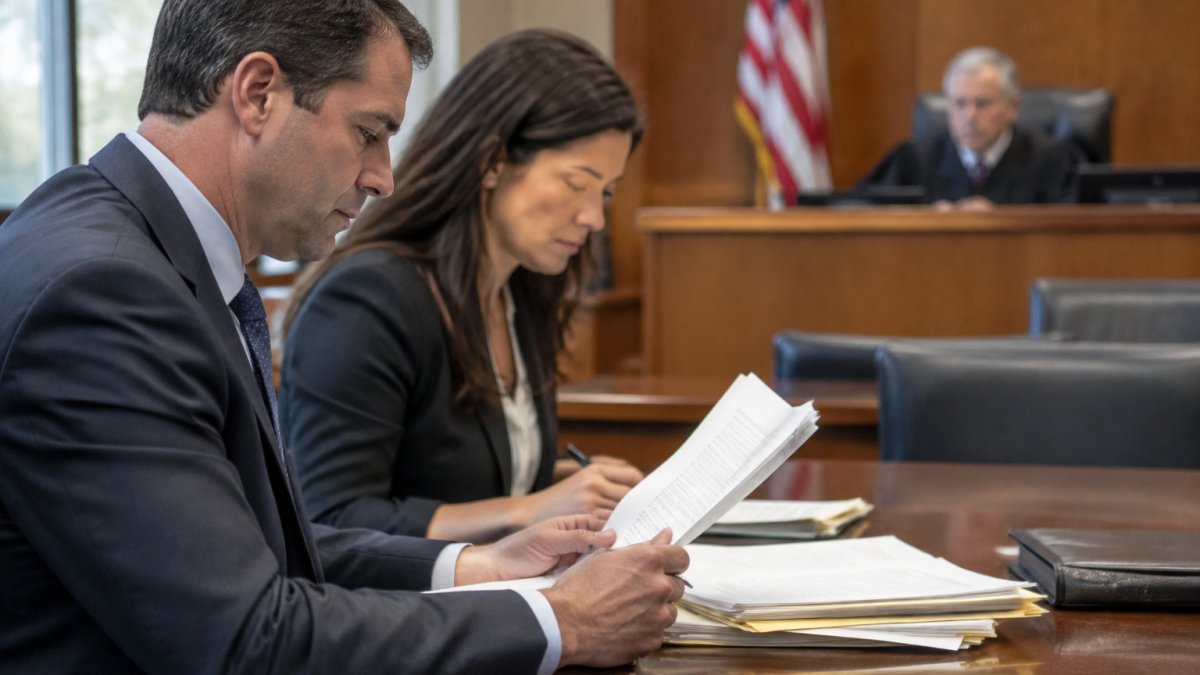
A verdict tells you who won and, if money was at stake, how much. It does not automatically mean you will receive payment. The losing party may ask the judge to change the result or may file an appeal.
- A verdict decides the facts and the legal questions submitted to the jury
- A judgment is the court's formal order that puts the verdict into effect
- Collecting money usually requires the judgment to be entered and recorded
Understanding the Judgment: From Verdict to Enforceable Order
The judgment is the document that makes the verdict enforceable. Your attorney typically drafts it, the opposing side reviews it, and the judge signs it. Accuracy matters here, because the judgment sets the exact dollar amounts and terms you will later enforce.
Check the judgment for these details:
- The correct names of all parties
- The exact dollar amount awarded, including any costs and interest
- Any deadlines for payment
- Any ongoing obligations, such as an injunction or court order
Post-Trial Motions and Deadlines You Cannot Miss
After a verdict, the losing party has a narrow window to ask the trial judge to overturn or modify the result. These requests are called post-trial motions, and they are governed by strict deadlines under the applicable procedural rules, which depend on whether the case was filed in federal or state court. Check the rules that govern your case, because missing a deadline can waive the right to raise that issue later.
The most common post-trial motions include:
- Motion for judgment as a matter of law (JMOL). If the judge denied a motion for JMOL during trial, the losing party may renew it after judgment. The motion argues that no reasonable jury could have reached the verdict based on the evidence presented.
- Motion for a new trial. Grounds can include legal errors during trial, jury misconduct, newly discovered evidence, or a verdict that is against the clear weight of the evidence.
- Motion to alter or amend the judgment. This motion asks the judge to correct legal or factual errors in the judgment itself, such as miscalculated damages or an incorrect party name.
- Motion for relief from judgment. This motion can sometimes be filed after judgment is entered, but only for specific reasons such as fraud, mistake, or newly discovered evidence that could not have been found earlier. Check the deadlines that apply to your court.
Watch out: post-trial deadlines generally run from the date the judgment is entered on the docket, not the date the verdict is read. Confirm the exact date with the clerk of court.
If the losing party files a timely post-trial motion, the deadline to appeal can be affected until the motion is resolved. Your attorney should calendar both the motion deadline and the potential appeal deadline once the judgment is entered.
Call Now for a free consultation →
These motions are not a second chance to retry the case. The judge will not re-weigh the evidence or hear new witnesses. Instead, the judge reviews the trial record to determine whether the verdict was legally supportable. Most post-trial motions are denied, but they are a necessary step to preserve issues for appeal.
Appealing a Civil Court Verdict: The Appeals Process
An appeal asks a higher court to review whether the trial court made legal errors. An appeal is not a second trial. The appellate court does not hear new witnesses or weigh the evidence again (About the U.S. Courts of Appeals).
The basic appeal path usually works like this:
- File a notice of appeal within the deadline set by California law, which your attorney can confirm for your case
- Pay the filing fee and prepare the record, including the trial transcript
- Submit written briefs arguing the legal errors
- Wait for the appellate court to decide whether to hear oral argument
- Receive the appellate decision, which may affirm, reverse or send the case back
Appeals can take a long time. Ask your attorney how an appeal would affect your ability to collect in the meantime.
How to Collect a Civil Judgment When the Other Side Won't Pay
Winning a judgment and receiving money are two different things. If the losing party does not pay voluntarily, you must use the court's enforcement tools. This section walks through the practical steps, the trade-offs, and the costs involved.
Step 1: Conduct asset discovery. Before you can garnish wages or levy a bank account, you need to know where the debtor's assets are.
Step 2: Obtain a lien on real property. If the debtor owns real estate, you can record a judgment lien with the county recorder's office. In many states, the lien attaches to any real property the debtor owns in that county.
Step 3: Garnish wages. Wage garnishment is often the most effective tool for collecting from an individual debtor with a steady job. You must file a writ of garnishment with the court, serve it on the employer, and follow state and federal limits on how much can be taken from each paycheck.
Step 4: Levy bank accounts. A bank levy freezes funds in the debtor's account and, after a waiting period, transfers them to you. You must obtain a writ of execution from the court, deliver it to the sheriff or marshal, and serve it on the bank. The bank is required to freeze the funds and notify the debtor.
Step 5: Consider a settlement. Many judgment debtors respond to enforcement steps by negotiating a settlement. A clear plan for enforcement, and the willingness to follow through, often makes the other side more willing to pay a lump sum or agree to a payment plan. Post-verdict settlement can also avoid the cost and delay of an appeal.
Watch out: Each enforcement step involves court filing fees, service of process costs, and sometimes sheriff or levy fees. These costs can add up quickly, and you may not recover them from the debtor. Ask your attorney for a written estimate before you start.
Keep in mind that a judgment on paper is not the same as cash in hand. Plan your finances around what you can realistically collect and when. A judgment is enforceable only for a limited number of years, which varies by state, and you may need to renew it before it expires.
Call Now for a free consultation →
Practical Enforcement Logistics and the Financial Reality
Collecting a judgment costs time and often money. Some enforcement steps involve court filing fees, service of process costs and, in some cases, fees for a sheriff or levy officer. Ask your attorney for a written estimate of these expenses before you start.
Personal injury and insurance cases at this firm are handled on a contingency basis, meaning no attorney fees unless damages are recovered. Learn how contingency fee lawyers handle fees and expenses before you sign. Under a contingency arrangement, the fee is usually a percentage of the amount collected, and case expenses may be deducted from the recovery. See how contingency fees are deducted from a recovery to understand what you keep. Read your fee agreement carefully so you know exactly what you will receive.
Keep in mind that a judgment on paper is not the same as cash in hand. Plan your finances around what you can realistically collect and when.
Collecting a judgment takes time and often money, and the main enforcement steps each carry their own practical considerations.
| Enforcement step | What it involves | Key note |
|---|---|---|
| Asset discovery | Judgment debtor examination under oath | Debtor may face contempt if they fail to appear |
| Lien on real property | Record judgment lien with county recorder | Does not force a sale by itself |
| Wage garnishment | Writ of garnishment served on employer | Limits on each paycheck apply |
| Bank levy | Writ of execution delivered to sheriff or marshal | Debtor may claim exemption for protected funds |
| Settlement | Lump sum or payment plan negotiated | Can avoid cost and delay of an appeal |
Civil Lawsuit Timeline: Where Your Case Goes After the Verdict
Post-verdict steps can add months or even years to a case. A rough timeline looks like this:
- Days to weeks: post-trial motions and entry of judgment
- Weeks to months: notice of appeal and preparation of the record
- Months to years: appellate briefing, argument and decision
- After finality: enforcement and collection
The exact timing depends on the court's calendar, whether the losing side appeals, and how cooperative the debtor is. Your attorney can give you a realistic schedule for your case.
Next Step: Speak With a Trial Attorney About Your Verdict
A verdict raises important questions about deadlines, appeals and collection. Acting quickly protects your rights. If your judgment arose from an insurer dispute, you can review our insurance bad faith practice. The Law Offices of Allen Farshi has over 25 years of experience across California, and personal injury and insurance bad faith clients are represented on a contingency basis, meaning no attorney fees unless damages are recovered. Call now for a free consultation to review your verdict and plan your next steps.
Frequently Asked Questions
What is the most likely outcome of a civil case?
Most civil cases do not reach a verdict. Many end in settlement or dismissal before trial. When a case does go to verdict, the outcome depends on the evidence, the strength of the legal claims, and how persuasive each side is to the jury or judge. Because the result is hard to predict, many attorneys evaluate a case's likely value with their client before deciding whether to settle or proceed to trial. A consultation with a qualified attorney can help you understand how these factors apply to your specific situation.
Can you appeal a civil court verdict?
In most cases, yes. A party who loses at trial can usually file a notice of appeal, but strict deadlines apply and the appellate court reviews the record for legal error rather than retrying the facts. Filing an appeal typically involves a filing fee and preparing written briefs. Because deadlines are short and easy to miss, anyone considering an appeal should speak with an attorney promptly after judgment is entered. Your specific deadlines depend on the court and the type of case involved.
What happens if the losing party does not pay a civil judgment?
A winning party generally cannot force payment just because a verdict was entered. Collection typically requires additional court steps, such as obtaining a writ of execution, requesting a bank levy or wage garnishment, or recording a lien against property. The process varies by jurisdiction and by the type of assets involved. Collection can take time, and some judgments are difficult to enforce. Consulting an attorney early helps identify the most practical enforcement options.
How long does it take for a civil court judgment to be entered?
The time between a verdict and the entry of judgment varies. Courts often need to prepare the formal judgment document, and parties may file post-trial motions that delay finalization. The timeline depends on the court's schedule, the complexity of the case, and whether either side challenges the verdict. Your attorney can tell you what to expect in your court, and you can confirm current procedures with the clerk of court in the county where your case was heard.