 how-to
What to Do After an Insurance Bad Faith Claim in LA
Table of Contents
- What to Do After an Insurance Bad Faith Claim in LA: First Steps
- Evidence for an Insurance Bad Faith Claim: What to Keep and How to Organize It
- Filing an Insurance Claim Denial Appeal in California
- Insurance Bad Faith Lawsuit Timeline in California: What to Expect
- Insurance Bad Faith Settlement Negotiation: How to Approach It
- When to Hire a Los Angeles Insurance Bad Faith Lawyer
- Common Mistakes to Avoid After an Insurance Bad Faith Claim
- Frequently Asked Questions
Last Updated: October 17, 2026
What to Do After an Insurance Bad Faith Claim in LA: First Steps
Insurance bad faith is the legal term for an insurer that denies, delays, or undervalues a valid claim without a reasonable basis for doing so. If you believe your carrier crossed that line, the first 30 days matter more than most people realize. At the Law Offices of Allen Farshi, we've spent more than 25 years handling these disputes across California, and the pattern is consistent: policyholders who document early and stay organized recover more than those who don't.
Here's what to do first.
- Stop calling. Move every conversation to email or written correspondence so nothing gets lost.
- Request the full claim file. California gives policyholders a statutory right to see it. Ask in writing.
- Re-read your policy. Find the exact clause the adjuster says doesn't apply.
- Keep a dated log. Every call, every letter, every promise.
- Don't sign a release. Not until someone who isn't the insurer has read it.
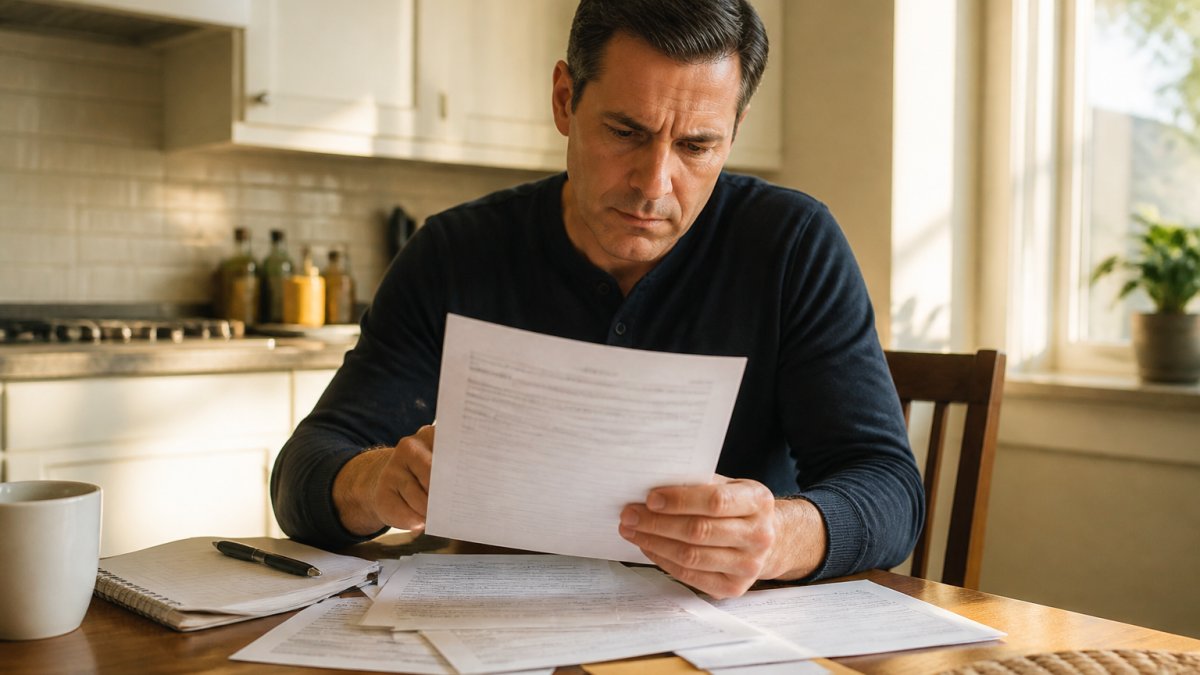
One more step that gets skipped constantly: send a written demand that spells out what you're owed and why. A vague complaint is easy to ignore. A specific one creates a record.
Evidence for an Insurance Bad Faith Claim: What to Keep and How to Organize It
Evidence for an insurance bad faith claim is the paper trail that shows what the insurer knew, when it knew it, and what it did anyway. Build it like a case file, not a junk drawer.
What to keep:
- Your complete policy, including every endorsement and amendment
- All claim correspondence, both directions
- The claim number, adjuster name, and supervisor name
- Photos, receipts, and repair estimates tied to the loss
- Your own timeline of events with dates
- Notes from every phone call, made the same day
How to organize it: one folder per category, chronological inside each. Label scans with the date and sender. If you ever hand this to a lawyer, that structure saves hours of billed time.
A common mistake is relying on the insurer's own claim notes. Those are written by the adjuster, for the adjuster. Your version of events is the one that carries weight.
Filing an Insurance Claim Denial Appeal in California
An insurance claim denial appeal in California starts with the insurer's internal appeal process, then moves outward if that fails. Read the denial letter closely. It must state the reason and cite the policy language relied on.
Your appeal should do three things:
- Quote the policy clause the insurer misread.
- Show the facts that satisfy it.
- Attach the evidence that proves those facts.
Send it certified mail and keep the receipt. California's Department of Insurance accepts consumer complaints and can review conduct, though it won't award you damages. That complaint also creates a public record, which matters later.
If the appeal is denied on the same reasoning you already rebutted, you're no longer looking at a disagreement. You're looking at a pattern.
Insurance Bad Faith Lawsuit Timeline in California: What to Expect
An insurance bad faith lawsuit timeline in California typically runs from several months to a few years, depending on whether the case settles or goes to trial. There is no single schedule. Court calendars, the county, and the insurer's willingness to negotiate all move the date.
Roughly, the phases look like this:
| Phase | What Happens | Typical Duration |
|---|---|---|
| Pre-suit demand | Written demand, insurer response | 30-60 days |
| Filing and service | Complaint filed, defendant served | 30-60 days |
| Discovery | Document exchange, depositions | 6-18 months |
| Motion practice | Summary judgment attempts | 2-6 months |
| Trial | If no settlement | Case-dependent |
Discovery is where most of the real work happens. That's when the claim file, internal emails, and adjuster notes come out. Insurers settle more often after discovery than before it, because that's when the record stops being theirs alone.
Call Now for a free consultation →
Insurance Bad Faith Settlement Negotiation: How to Approach It
Insurance bad faith settlement negotiation works best when you know your number before the first offer lands. Insurers open low. That's not an insult, it's a starting position.
Approach it in this order:
- Calculate your actual damages first. Policy benefits, consequential losses, and any documented expenses.
- Separate the demands. What you're owed under the policy is different from what you're owed for the bad faith itself.
- Set a walk-away number. Write it down before emotions get involved.
- Never negotiate against yourself. Make them counter.
- Get every offer in writing.
What most guides miss is use. An insurer negotiating with an unrepresented policyholder has almost no reason to move. The same insurer facing a lawyer who has filed suit and is scheduling depositions behaves differently. That shift is the whole game.
When to Hire a Los Angeles Insurance Bad Faith Lawyer
Hire a Los Angeles insurance bad faith lawyer when the insurer has denied a valid claim, ignored your appeal, or made an offer that doesn't match your documented losses. The clearest signal is repetition: the same denial reasoning, restated, after you've rebutted it with evidence. Persistent stonewalling often indicates that you must formalize your strategy to appeal denied claims before the insurer permanently closes your file.
Signs it's time:
- The insurer missed a deadline it set for itself
- You've been asked for the same documents twice
- The adjuster stops returning calls after you mention a lawyer
- The denial cites a policy clause that plainly doesn't apply
- Your losses now exceed what the policy would have paid
At the Law Offices of Allen Farshi, insurance bad faith cases are handled on contingency, meaning no attorney fees unless damages are recovered. That structure exists because the alternative, paying hourly while an insurer stalls, is exactly the pressure insurers count on.
Common Mistakes to Avoid After an Insurance Bad Faith Claim
The biggest mistake is treating the insurer as a neutral party. It isn't. It's an adverse party with a financial interest in paying less.
Others we see constantly:
- Giving a recorded statement without preparation
- Missing the appeal deadline because the denial letter went in a drawer
- Accepting a low offer to end the stress
- Posting about the claim on social media
- Waiting too long, since California sets time limits on these claims
One more: assuming a complaint to the state regulator replaces legal action. It doesn't. It's a useful record and sometimes a useful nudge, but it isn't a claim for damages.
Frequently Asked Questions
What should I do after filing an insurance bad faith claim in Los Angeles?
After filing, document every communication with your insurer, keep copies of all letters and emails, and track deadlines. Do not accept a low settlement without reviewing it with a lawyer. If your claim is denied, you can appeal through the insurer's internal process and, if needed, file a lawsuit. A Los Angeles insurance bad faith lawyer can help you build evidence for an insurance bad faith claim and protect your rights.
What evidence should I keep for a California insurance bad faith case?
Keep your complete policy, all claim forms, correspondence, phone logs, and notes from conversations with adjusters. Save receipts for expenses related to the claim, medical records if applicable, and any proof of lost income. This evidence for an insurance bad faith claim helps show the insurer mishandled your claim. Organize everything chronologically so your attorney can quickly review the timeline.
How long does an insurance bad faith lawsuit take in Los Angeles?
The insurance bad faith lawsuit timeline California varies by case. Many cases settle within a year, but if litigation is necessary, it can take longer. Factors include the complexity of the claim, court schedules, and the insurer's willingness to negotiate. Your attorney can give you a more specific estimate after reviewing your situation.
Should I accept a settlement offer from my insurance company?
Do not accept a settlement offer without understanding its full value. Insurance bad faith settlement negotiation requires comparing the offer to your actual damages, including policy limits and any extra-contractual damages. A lawyer can help you evaluate whether the offer is fair and negotiate for a better outcome. Accepting too quickly may waive your right to pursue further compensation.
An insurer that denies a valid claim and then stonewalls the appeal is making a calculation about whether you'll push back. We handle insurance bad faith cases on contingency, with no attorney fees unless damages are recovered, backed by more than 25 years of litigation experience and a willingness to take cases to trial. If your claim has been denied or undervalued, call the Law Offices of Allen Farshi for a free consultation and find out what your claim is actually worth.