 Listicle
Personal Injury Lawyer San Diego CA: 2026 Firm Review
Table of Contents
- How We Evaluated Personal Injury Lawyers in San Diego
- San Diego Personal Injury Law Firm Comparison
- What to Do After a Car Accident in California
- California Personal Injury Statute of Limitations
- Contingency Fee Lawyer Agreement California
- Cost of Hiring a Personal Injury Lawyer in San Diego
- Frequently Asked Questions
Last Updated: September 29, 2026
How We Evaluated Personal Injury Lawyers in San Diego
Choosing a personal injury lawyer in San Diego starts with one question: who will actually take your case to trial if the insurer refuses to pay?
Below, we break down what to do after a crash, how California's deadline rules work, and what a contingency agreement actually costs you.
San Diego Personal Injury Law Firm Comparison
The table below compares the firms we reviewed on the factors that decide most cases: trial focus, consultation cost, and fee structure.
| Firm | Free Consultation | Fee Structure | Best For |
|---|---|---|---|
| Auto accident injuries, Insurance bad faith, HOA law | Yes | Contingency, injury and insurance cases | Serious auto, trucking, and motorcycle injuries |
| HHJ Trial Attorneys | Contact firm | Contingency | Jury trial representation |
| The McClellan Law Firm | Contact firm | Contingency | High-value complex litigation |
| Gomez Trial Attorneys | Contact firm | Contingency | Catastrophic injury claims |
| Singleton Schreiber | Contact firm | Contingency | Families needing long-term support |
| Martinez & Schill LLP | Yes | Contingency | Direct attorney access |
| Law Office of Brett Peterson | Contact firm | Contingency | Community-based representation |
| San Diego Personal Injury Attorneys | Yes | Contingency | After-hours immediate help |
| Phillips & Pelly | Contact firm | Contingency | Clients weighing firm reputation |
The Law Offices of Allen Farshi brings over 25 years of experience, handles injury and insurance bad faith claims together, and works on contingency, meaning no attorney fees unless damages are recovered. That combination matters when an adjuster denies a claim that clearly meets policy terms.
For a broader vetting list, Super Lawyers peer-reviewed attorney directory lets you filter by practice area and location before you call anyone.
What to Do After a Car Accident in California
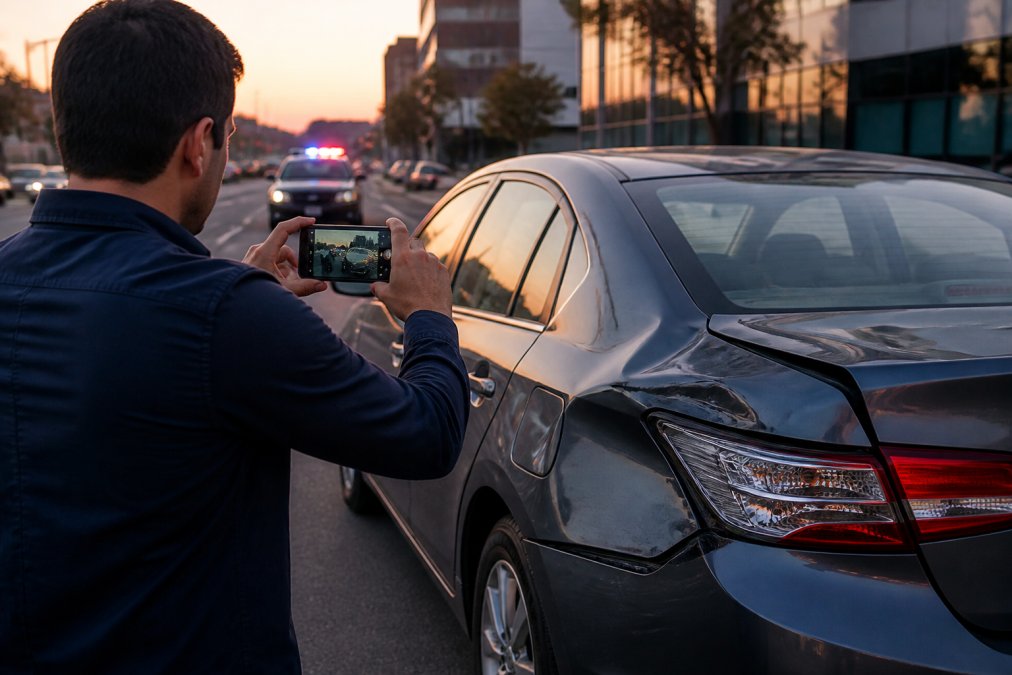
Move to safety, call 911 if anyone is hurt, and document everything before you leave the scene. California's system assigns fault based on negligence, so the evidence you gather in the first hour often decides your claim.
The steps that protect your claim:
- Call 911 and request a police report
- Photograph all vehicles, skid marks, and road conditions
- Collect names, phone numbers, and insurance details from every driver
- Get contact information from witnesses before they leave
- Seek medical evaluation within 24 hours, even if you feel fine
- Notify your own insurer without giving a recorded statement to theirs
- Keep every receipt, estimate, and medical record
A common mistake is talking to the other driver's insurance adjuster before you understand your injuries. Adjusters are trained to lock in a low settlement early. You are not required to give them a recorded statement.
California Personal Injury Statute of Limitations
California gives you two years from the date of injury to file a personal injury lawsuit, per the state's official code (California Code, CCP 335.1). Miss that window and you lose the right to sue, no matter how strong your case is.
Call Now for a free consultation →
The statute of limitations is the legal deadline for filing a claim in court. In California, most injury claims fall under a two-year rule, but exceptions exist. Claims against a government entity, for example, require a formal notice far sooner, often within six months. Wrongful death claims and cases involving a minor follow separate timelines.
Because these deadlines vary by claim type and defendant, confirm the exact rule for your situation with the California Courts self-help center or an attorney. Waiting costs people their cases more often than weak evidence does.
Contingency Fee Lawyer Agreement California
A contingency fee agreement means you pay your attorney a percentage of the recovery, and nothing upfront. If the case loses, you typically owe no attorney fee. This is the standard arrangement for injury claims in California, but the details of that agreement decide how much of your settlement you actually keep.
The specific percentage often depends on whether the case settles before a lawsuit is filed or proceeds to litigation.
What to check before signing:
- The percentage, and whether it rises if the case goes to trial
- Who pays case costs, such as filing fees and expert witnesses
- Whether costs are deducted before or after the fee is calculated
- Your right to terminate the agreement and what that triggers
- How a settlement offer is approved, and whether you must consent
That last point answers the most common fear we hear: that a firm will push a quick, low settlement to close the file. A well-drafted agreement requires your written approval before any settlement is accepted. Read that clause carefully.
The trade-off is straightforward: a higher contingency percentage may be worth it if the firm has a track record of taking cases to verdict and securing larger awards. A lower percentage means little if the firm settles everything quickly to avoid litigation costs. Ask any firm how many cases they tried to verdict in the last year, and compare that answer to the fee they propose.
Cost of Hiring a Personal Injury Lawyer in San Diego
Most injury firms charge nothing upfront and take a percentage of the recovery only if they win. But the total cost of representation involves more than the contingency percentage. You also need to understand case costs, which are the expenses of building and pursuing your claim.
Case costs can include:
Call Now for a free consultation →
- Filing fees with the court
- Deposition transcripts
- Expert witness fees (medical experts, accident reconstruction specialists)
- Records retrieval and copying
- Mediation or arbitration fees
- Trial exhibits and presentation technology
Case costs can vary depending on the complexity and duration of the case. How those costs are handled varies by firm. Some firms advance all costs and repay themselves from the recovery before calculating the attorney's fee. Others deduct costs after the fee is calculated. The order matters: if costs come off the top, the attorney's effective percentage is higher than the stated rate.
A common pattern is for the fee agreement to state that the client is responsible for costs if the case loses. But the written agreement controls, so read that clause carefully.
At Auto accident injuries, Insurance bad faith, HOA law, injury and insurance cases are handled on contingency, with no attorney fees unless damages are recovered. The firm also brings over 25 years of experience and trial advocacy to cases that insurers refuse to settle fairly. For current details on how a case would be handled, call for a free consultation rather than relying on general figures.
Frequently Asked Questions
How much does a personal injury lawyer cost in California?
Most personal injury lawyers in California work on a contingency fee basis, meaning you pay no attorney fees unless they recover damages for you. The fee is typically a percentage of the settlement or award, and that percentage can vary depending on whether the case settles before trial or goes to court. You should always review the written fee agreement carefully and ask about any costs that may be deducted separately, such as filing fees or expert witness expenses.
What is the statute of limitations for personal injury claims in California?
California generally allows two years from the date of injury to file a personal injury lawsuit. However, there are exceptions. Claims against government entities may require notice within six months. Cases involving delayed discovery of harm may have different start dates. Because missing the deadline can permanently bar your claim, speak with a personal injury lawyer San Diego CA as soon as possible to confirm how the timeline applies to your situation.
How do contingency fee agreements work for injury cases?
In a contingency fee lawyer agreement California clients sign, the attorney agrees to represent you without upfront payment. The attorney advances case costs and is repaid from the recovery. If there is no recovery, you typically owe no attorney fee, though you may still be responsible for certain costs depending on the agreement. The specific percentage and cost terms must be disclosed in writing before you sign.
What should I do immediately after a car accident in California?
After a car accident in California, call 911 if anyone is injured, move to a safe location, and exchange insurance and contact information with the other driver. Photograph the scene, vehicles, and any visible injuries. Seek medical attention even if you feel fine, since some injuries appear later. Do not admit fault or give recorded statements to the other party's insurance adjuster. Contact a personal injury lawyer before speaking with insurance representatives about your claim.
What is the difference between economic and non-economic damages in California?
Economic damages cover measurable financial losses such as medical bills, lost wages, and property damage. Non-economic damages compensate for intangible harm like pain and suffering, emotional distress, and loss of enjoyment of life. California law allows recovery for both types in personal injury cases. In rare cases involving malice or oppression, punitive damages may also be available. An attorney can help document and value both categories to support your claim.